The Perfect Pair: Nasturtiums And Tomatoes
The Perfect Pair: Nasturtiums and Tomatoes
Nasturtiums and tomatoes are a classic companion planting combination. Both plants are easy to grow and have similar requirements, making them a great choice for gardeners of all skill levels.
In addition to being easy to grow, nasturtiums and tomatoes offer a number of benefits when planted together. Nasturtiums can help to deter pests, attract pollinators, and improve the flavor of tomatoes.
How do nasturtiums deter pests?
Nasturtiums contain a chemical compound called nasturtiin, which has a strong odor that repels pests such as aphids, whiteflies, and spider mites. These pests are attracted to the flavor of tomatoes, so planting nasturtiums nearby can help to keep them away from your tomato plants.
How do nasturtiums attract pollinators?
Nasturtiums are a favorite flower of pollinators such as bees, butterflies, and hummingbirds. These pollinators are essential for the pollination of tomatoes, so planting nasturtiums nearby can help to increase your tomato yield.
How do nasturtiums improve the flavor of tomatoes?
The leaves and flowers of nasturtiums have a peppery flavor that can complement the sweetness of tomatoes. When nasturtiums are planted nearby, their roots release chemicals that can actually improve the flavor of the tomatoes.
How to plant nasturtiums and tomatoes together
Nasturtiums and tomatoes can be planted together in a variety of ways. They can be planted in the same bed, or they can be planted in separate beds near each other. If you are planting them in the same bed, it is important to space them out so that they have enough room to grow.
Nasturtiums are a bit more tolerant of shade than tomatoes, so if you live in an area with hot summers, you may want to plant the nasturtiums in a spot that gets some afternoon shade.
Both nasturtiums and tomatoes need full sun to thrive, so make sure to plant them in a spot that gets at least 6 hours of sunlight per day.
Nasturtiums are a cool-season crop, so they can be planted in the spring or fall. Tomatoes are a warm-season crop, so they should be planted in the spring after the last frost.
Care and maintenance
Nasturtiums and tomatoes are both relatively easy to care for. They need regular watering, especially during hot, dry weather. They also need to be fertilized every few weeks.
Nasturtiums are not as susceptible to pests and diseases as tomatoes, but they can still be affected by aphids, whiteflies, and spider mites.
To control pests, you can use insecticidal soap or neem oil.
To control diseases, you can practice good sanitation and remove any diseased plants from your garden.
Harvesting
Nasturtiums can be harvested throughout the summer. The leaves and flowers can be eaten fresh, or they can be cooked. The seed pods can also be pickled.
Tomatoes should be harvested when they are ripe.
Ripe tomatoes will be red, orange, or yellow, and they will be soft to the touch.
Conclusion
Nasturtiums and tomatoes are a great companion planting combination. They are both easy to grow, and they offer a number of benefits when planted together. If you are looking for a way to deter pests, attract pollinators, and improve the flavor of your tomatoes, then planting nasturtiums nearby is a great option.
Nasturtiums and tomatoes are a great combination to grow in your garden. Nasturtiums are a type of flowering plant that is known for its bright orange and yellow blooms. They are also a good companion plant for tomatoes, as they help to deter pests.
Nasturtiums can attract aphids and other pests away from tomatoes, which can help to keep your tomato plants healthy. They can also attract beneficial insects, such as ladybugs and hoverflies, which help to control pests.
In addition to being a good companion plant, nasturtiums are also edible. The leaves, flowers, and seeds of nasturtiums can be eaten raw or cooked. They have a peppery taste that can add a bit of zest to salads, sandwiches, and other dishes.
If you are interested in learning more about nasturtiums and tomatoes, I recommend visiting Gardenia Inspiration. This website has a wealth of information about these two plants, including tips on how to grow them, how to use them in the kitchen, and how to attract beneficial insects to your garden.
FAQ of nasturtiums and tomatoes
Q: Can I plant nasturtiums and tomatoes together?
A: Yes, nasturtiums and tomatoes can be planted together. In fact, they can be beneficial to each other's growth. Nasturtiums attract beneficial insects that help to control pests that can damage tomatoes. Tomatoes, on the other hand, provide shade for the nasturtiums, which can help to prevent them from getting too hot.
Q: What are the benefits of planting nasturtiums with tomatoes?
A: There are several benefits to planting nasturtiums with tomatoes. As mentioned above, nasturtiums attract beneficial insects that help to control pests that can damage tomatoes. They also help to improve the drainage of the soil, which can help to prevent tomatoes from developing root rot. Additionally, the nasturtiums' bright flowers can help to attract pollinators, which can help to increase the yield of tomatoes.
Q: What are some tips for planting nasturtiums with tomatoes?
A: Here are a few tips for planting nasturtiums with tomatoes:
- Plant the nasturtiums and tomatoes in full sun.
- Space the nasturtiums about 12 inches apart and the tomatoes about 24 inches apart.
- Amend the soil with compost or manure before planting.
- Water the plants regularly, especially during hot, dry weather.
- Fertilize the plants every few weeks with a balanced fertilizer.
Q: How do I harvest nasturtiums?
A: Nasturtiums can be harvested throughout the growing season. The flowers, leaves, and even the seeds are edible. To harvest the flowers, simply pluck them off the stem. To harvest the leaves, cut them from the stem with a pair of scissors. To harvest the seeds, wait until the seed pods have turned brown and dry. Then, simply shake the seed pods over a paper towel to collect the seeds.
Q: What are some recipes that use nasturtiums?
A: Nasturtiums can be used in a variety of recipes. They can be added to salads, sandwiches, stir-fries, and soups. They can also be used to make pesto, chutney, and pickles. Here are a few recipes that use nasturtiums:
- Nasturtium Pesto: This pesto is a delicious and easy way to use nasturtiums. Simply combine nasturtium leaves, pine nuts, Parmesan cheese, garlic, and olive oil in a food processor and blend until smooth.
- Nasturtium Chutney: This chutney is a flavorful condiment that can be served with grilled meats, fish, or vegetables. Simply combine nasturtium leaves, onions, ginger, vinegar, sugar, and spices in a saucepan and simmer until thickened.
- Nasturtium Pickles: These pickles are a delicious and unique way to enjoy nasturtiums. Simply combine nasturtium leaves, vinegar, sugar, and spices in a jar and seal tightly. Let the pickles sit for at least 2 weeks before serving.
Image of nasturtiums and tomatoes
- Image 1: A pot of nasturtiums and tomatoes growing together in a sunny garden. The nasturtiums are blooming with bright orange and yellow flowers, and the tomatoes are ripening on the vine.
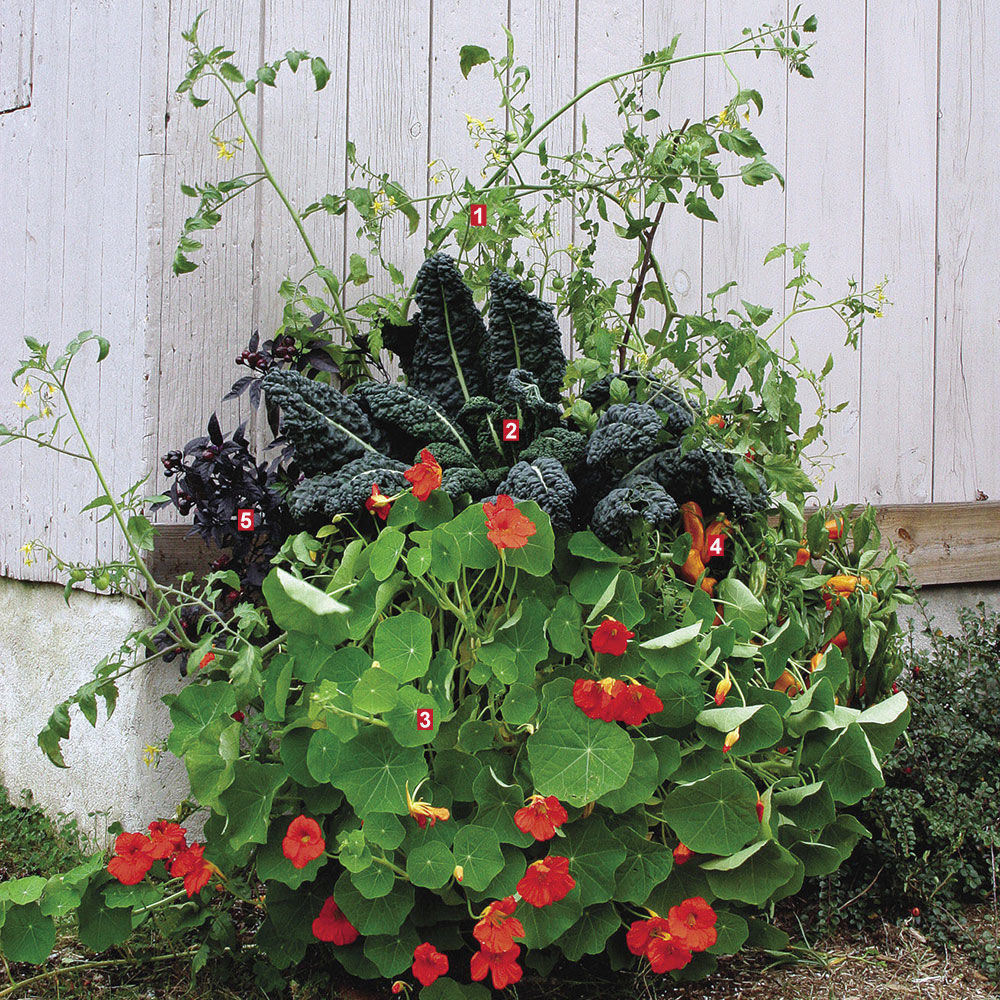
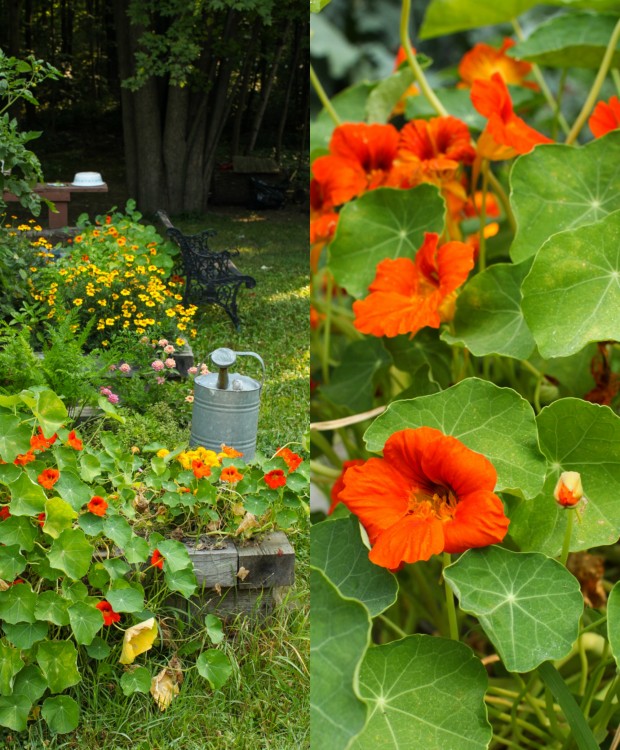
- Image 2: A row of nasturtiums and tomatoes planted in a garden bed. The nasturtiums are climbing up a trellis, and the tomatoes are growing in the full sun.

- Image 3: A close-up of a nasturtium flower and a tomato plant. The nasturtium flower is bright orange with yellow stripes, and the tomato plant has green leaves and red tomatoes.
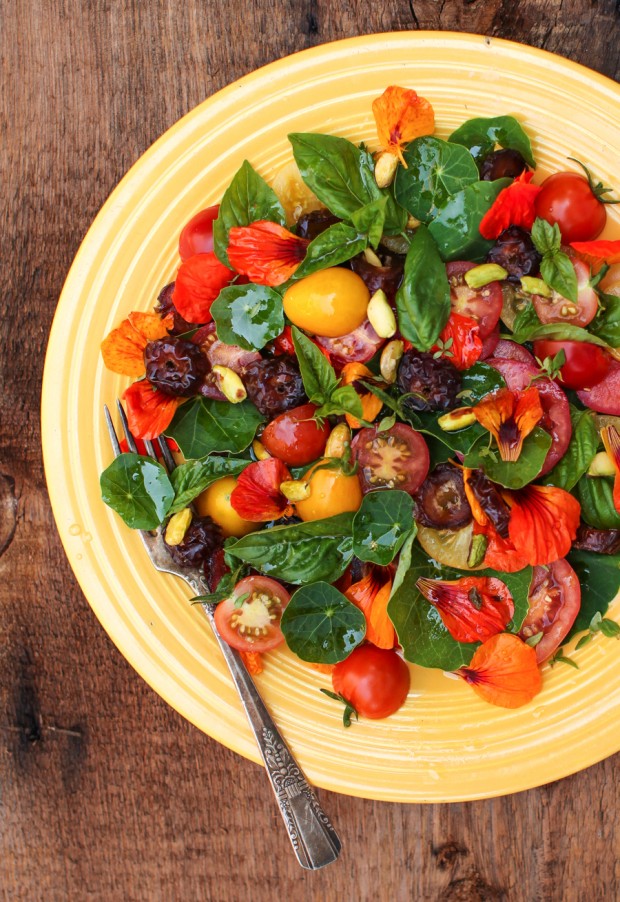
- Image 4: A salad with nasturtium leaves, tomatoes, and other vegetables. The nasturtium leaves have a peppery flavor that complements the sweetness of the tomatoes.
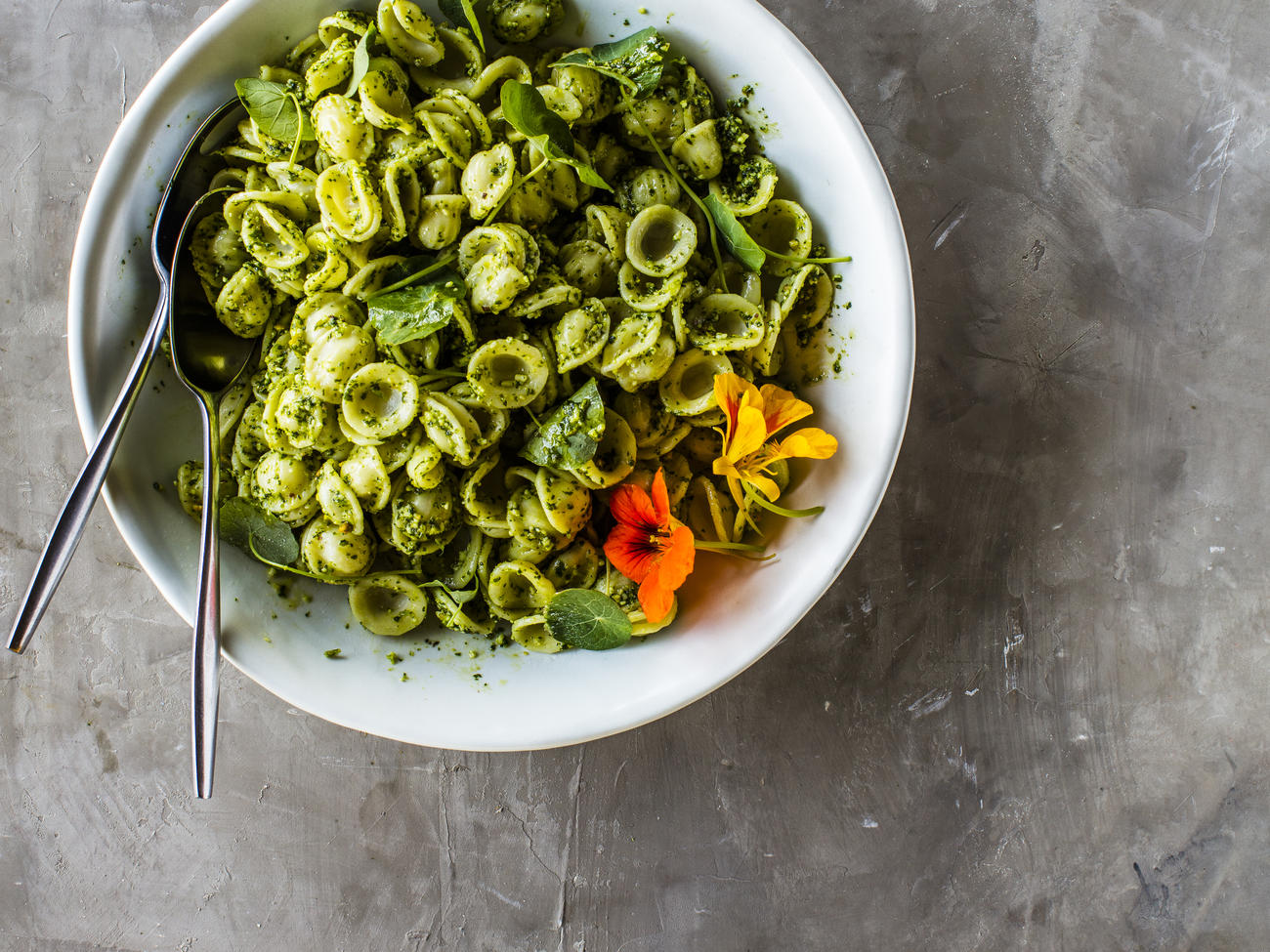
- Image 5: A plate of pesto with nasturtium flowers. The pesto is made with basil, pine nuts, Parmesan cheese, and olive oil, and the nasturtium flowers add a pop of color and flavor.

Post a Comment for "The Perfect Pair: Nasturtiums And Tomatoes"